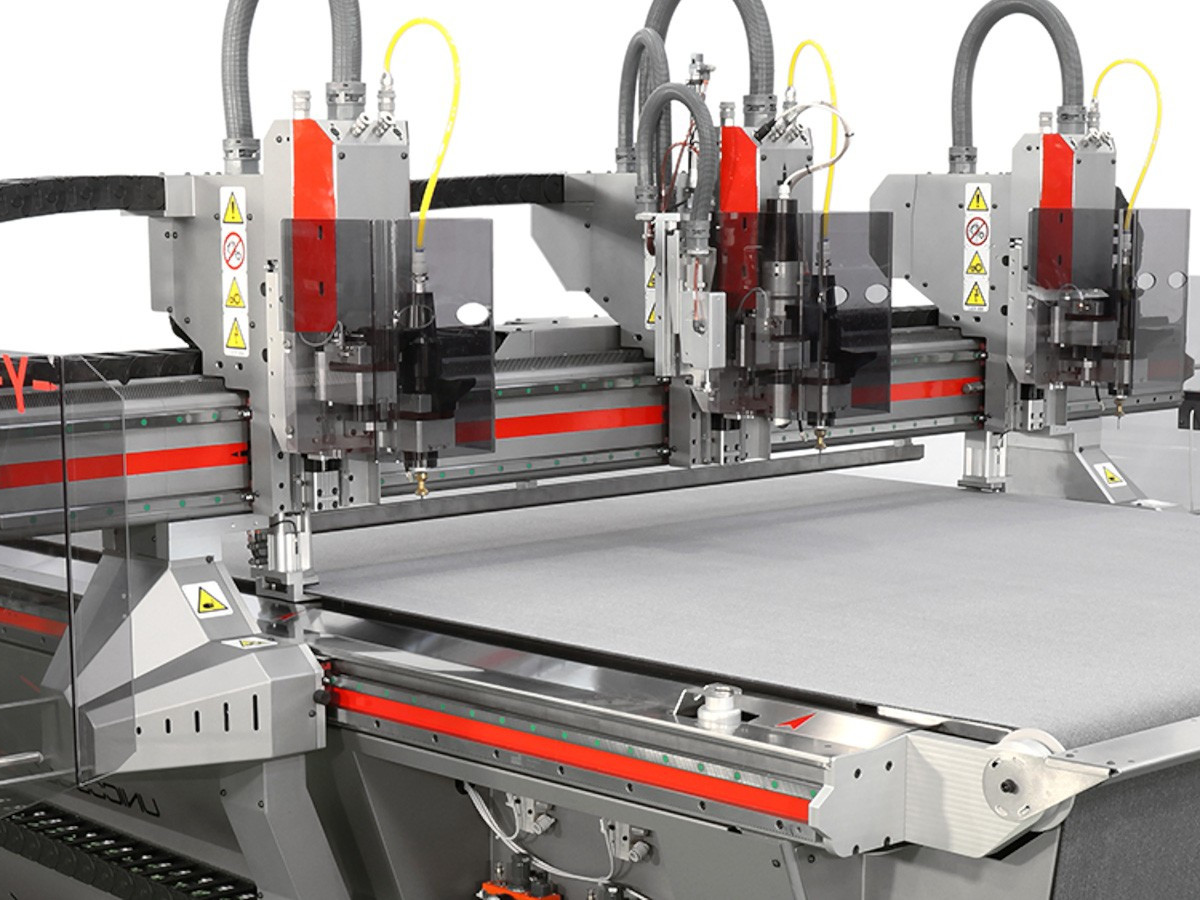
In the industrial manufacturing sector, CNC milling machines are essential tools for metalworking. Thanks to their ability to offer high precision , automation, and repeatability, these machines allow the production of complex components with very high quality standards.
However, not all CNC machines are suitable for every type of metal. Choosing the right CNC milling machine for metal depends largely on the material being machined. Steel, aluminum, brass, and specialty alloys have different characteristics and require specific approaches in terms of power, speed, and machine configuration.
The importance of material in choosing a CNC milling machine
When deciding to buy a CNC milling machine, one of the most important aspects to consider is the type of material you’re working with. Each metal has physical and mechanical properties that directly influence the milling process.
For example:
- Steel is strong and requires more power
- Aluminum is lightweight and workable at high speeds
- special alloys may require specific configurations
Ignoring these differences can lead to inefficiencies, tool wear, and lower-quality results.
Types of CNC milling machines for different metals
CNC milling machines can be designed or configured to work with specific materials. Generally speaking, they are classified as:
- CNC milling machine for steel
- cnc milling machine for aluminum
- versatile machines for different materials
- specialized machines for advanced alloys
This classification helps you understand which machine is best suited to your production needs.
Comparing CNC Milling Machines for Different Metal Types
To choose the most suitable machine, it is useful to compare the characteristics required for processing different metals:
- Steel
→ Requires high structural rigidity and powerful spindles
→ Lower machining speeds
→ Greater attention to heat control - Aluminum
→ Requires high rotation speeds
→ Requires excellent chip evacuation
→ Aims for high quality surface finishes - Brass and copper
→ Relatively soft materials
→ Require precision and vibration control
→ Good machinability but attention to the finish - Special alloys (Titanium, Inconel)
→ Require high-performance machines
→ High rigidity and advanced cooling systems
→ Slow but highly precise machining - Composite materials and light alloys
→ Require specific configurations
→ Machine stability is important
This comparison highlights how there is no single machine for all materials, but rather solutions optimized for specific needs.
CNC milling machine prices: how they vary based on the material.
The price of a CNC milling machine can vary significantly depending on the type of metal the machine is designed to work with.
For example:
- steel machines → higher cost due to greater robustness
- aluminum machines → optimized for speed, often lighter
- machines for special alloys → high price for advanced technologies
It is important to consider price as part of an overall investment, also evaluating productivity and durability.
Buying a CNC milling machine: choosing based on the application
When deciding to buy a CNC milling machine, it is essential to analyze your production needs.
Some key factors include:
- type of material worked
- complexity of the components
- production volumes
- required level of precision
A correct choice allows you to optimize processes and improve efficiency.
The role of the CNC milling machine manufacturer
The CNC milling machine manufacturer is a crucial factor in choosing the right machine. A reliable manufacturer can offer:
- machines designed for specific materials
- advanced technologies
- qualified technical support
In particular, an Italian CNC milling machine manufacturer is often synonymous with quality and innovation, thanks to its long tradition in the mechanical sector.
Operational differences between various metals
The differences between metals concern not only the machine, but also the operating strategies.
For steel:
- reduced speeds
- greater controlled cutting depth
- use of resistant tools
For aluminum:
- high speeds
- fast forwards
- attention to chip management
For special alloys:
- conservative strategies
- intensive cooling
- constant monitoring
These differences directly influence productivity and the quality of the final result.
Best CNC milling machine for metal: how to find your way
Many people look for the best CNC milling machine for metal, but it is important to understand that the choice depends on several factors.
Among these:
- type of material
- specific application
- available budget
- level of automation
The ideal machine is one that can precisely meet the company’s operational needs.
Common mistakes when choosing a car
During the selection process, it is important to avoid some mistakes:
- choose a generic machine for very different materials
- underestimate the demands of the most demanding material
- rely solely on price
- ignore technical support
A conscious approach helps avoid inefficiencies and operational problems.
CNC milling machines represent a fundamental technology for metalworking, but the choice of machine must be guided by the type of material.
Comparing the features of different CNC milling machines for metal, evaluating the CNC milling machine price , planning when to buy a CNC milling machine, and relying on a reliable CNC milling machine manufacturer are essential steps.
A strategic approach allows you to improve productivity, reduce costs and achieve high-quality results, regardless of the material being processed.
